
Chest exercise
Incline Dumbbell Press
The incline dumbbell press shifts pressing work toward the upper chest and front shoulders. Dumbbells give you a deeper stretch than a barbell and let each side work on its own.
 By Khushi Gupta Reviewed October 2026
- Primary
- Chest
- Also works
- Front delts, Triceps
- Equipment
- Dumbbells, adjustable bench
- Level
- Beginner
How to do it
- Set an adjustable bench to about 30 degrees.
- Sit with a dumbbell standing on each thigh. Lie back and use your knees to kick the dumbbells up to your shoulders.
- Plant your feet, squeeze your shoulder blades together and keep your chest up.
- Press the dumbbells up over your upper chest until your arms are straight, bringing them slightly together at the top.
- Lower them under control to the sides of your upper chest, elbows about 45 to 60 degrees from your body.
- Feel a stretch across the chest at the bottom, then press up again.
Coaching cues
- Bench at 30 degrees
- Shoulder blades pinned
- Elbows under the wrists
- Deep stretch, smooth press
Common mistakes and fixes
Bench set too steep
Angles of 45 degrees or more turn it into a shoulder press. Around 30 degrees keeps the chest working.
Dumbbells drifting too wide
Keep your forearms vertical and wrists stacked over elbows.
Shortening the range
Lower until your elbows are just below the bench line for a full stretch.
Dropping dumbbells carelessly at the end
Bring them back to your chest, then to your thighs as you sit up.
Sets and reps
| Goal | Prescription |
|---|---|
| Strength | 3-4 sets of 6-8 reps, 2-3 minutes rest |
| Hypertrophy | 3-4 sets of 8-12 reps, 90-120 seconds rest |
| Beginner | 3 sets of 10 reps with moderate dumbbells |
Pick a starting weight with the one rep max calculator, and load the bar with the plate calculator.
Variations
- Incline barbell press Allows heavier loading.
- Low incline press 15 degrees as a middle ground between flat and incline.
- Incline neutral grip press Palms facing each other, easier on the shoulders.
- Incline cable fly An isolation finisher for the upper chest.
Muscles worked
The incline angle increases the work done by the clavicular head of the pectoralis major, the upper chest. The front delts and triceps assist as in all presses.
Benefits
Most people's upper chest lags behind because flat pressing favours the middle and lower fibres. Adding incline work creates a fuller look and balances shoulder development.
Dumbbells also expose strength differences between sides. Pair it with the bench press in a push pull legs routine for complete chest work.
Safety and who should modify it
Use a spotter for heavy sets or stop a rep short of failure. If your shoulders are sensitive, use a neutral grip and do not lower the dumbbells below the point where you feel strain.
Frequently asked questions
What is the best incline angle for upper chest?
Around 30 degrees works well for most people. Steeper angles shift more work onto the front delts.
Dumbbell or barbell for incline press?
Dumbbells give more range and balance each side; barbells allow heavier loads. Both build the upper chest.
Should the dumbbells touch at the top?
No need. Bringing them close together is fine, but clanking them adds nothing and can make you lose control.
Plans that use the incline dumbbell press
Intermediate · Muscle gain
Push Pull Legs Split
A 6-day push pull legs routine for building muscle. Full schedule with sets, reps and rest times, plus how to progress, deload and adjust it.
 Beginner · General fitness
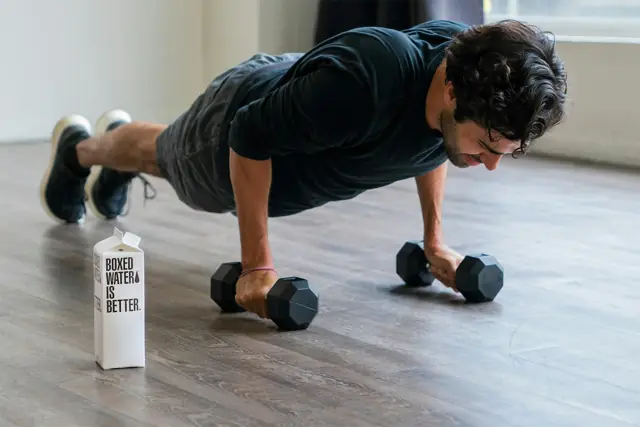
Home Dumbbell Workout
A 4-day home workout plan using only dumbbells and bodyweight. Upper and lower sessions, sets and reps, and how to keep progressing with limited weights.
Related exercises
 Chest · Beginner
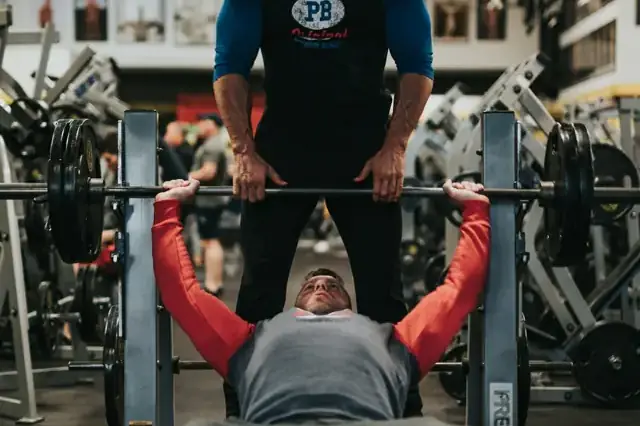
Bench Press
Barbell, flat bench, rack
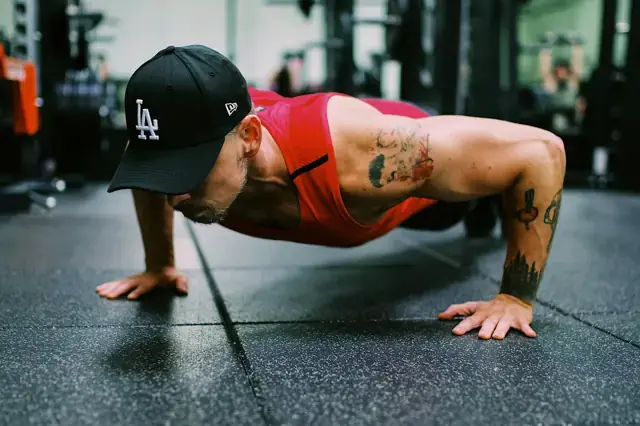 Chest · Beginner
Push-Up
None (bodyweight)
 Shoulders · Intermediate
Overhead Press
Barbell, rack